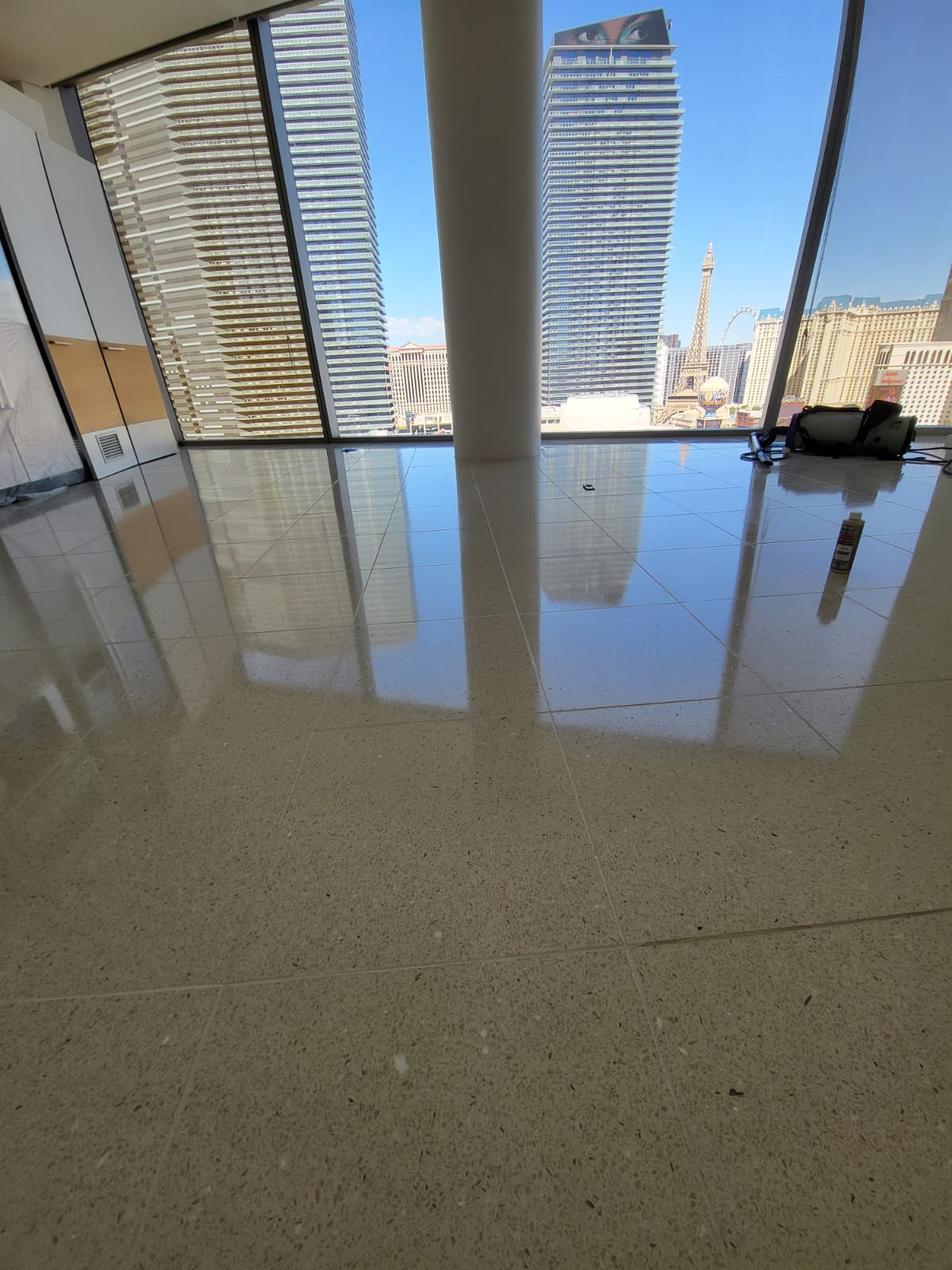
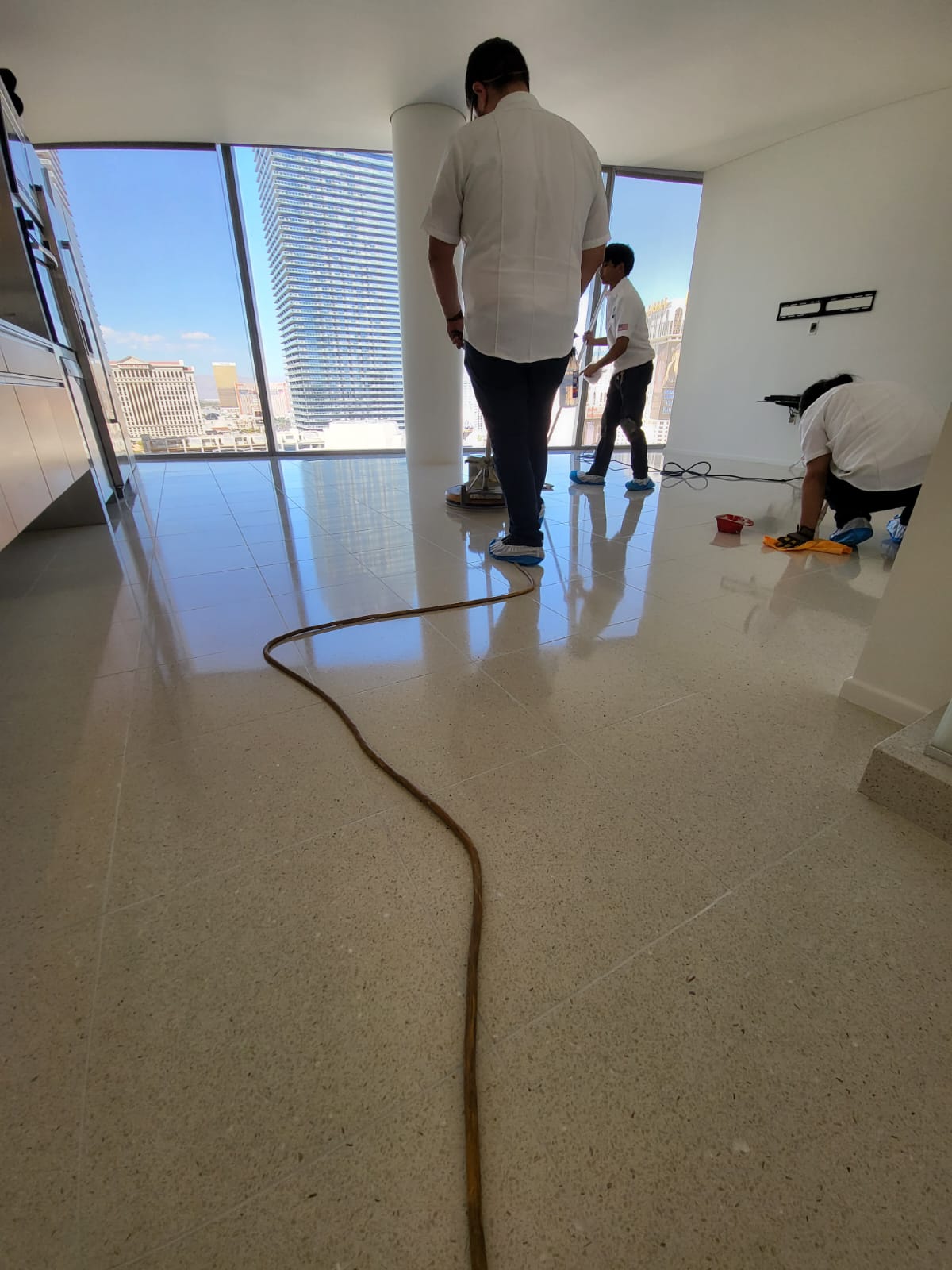
Silver State Floor Restoration of Southern Nevada
Natural Stone & Tile Cleaning, Polishing & Sealing
in Greater Las Vegas, NV
 Natural stone can be restored and polished to look as good as the day it was installed for a fraction of the cost of replacement.
Most people think that if their natural stone looks bad (dull, stained or scratched) that they can either choose to live with it or they have to replace it. When it comes to natural stone, nothing can be further from the truth. Silver State Floor Restoration can restore your natural stone to look brand new.
Silver State Floor Restoration has been Cleaning, Polishing, Honing, Sealing and Restoring both Natural Stone Floors and Man-Made Stone Floors in Las Vegas, Summerlin, North Las Vegas and Henderson since 2001
Natural Stone Polishing & Restoration | Las Vegas, Nevada
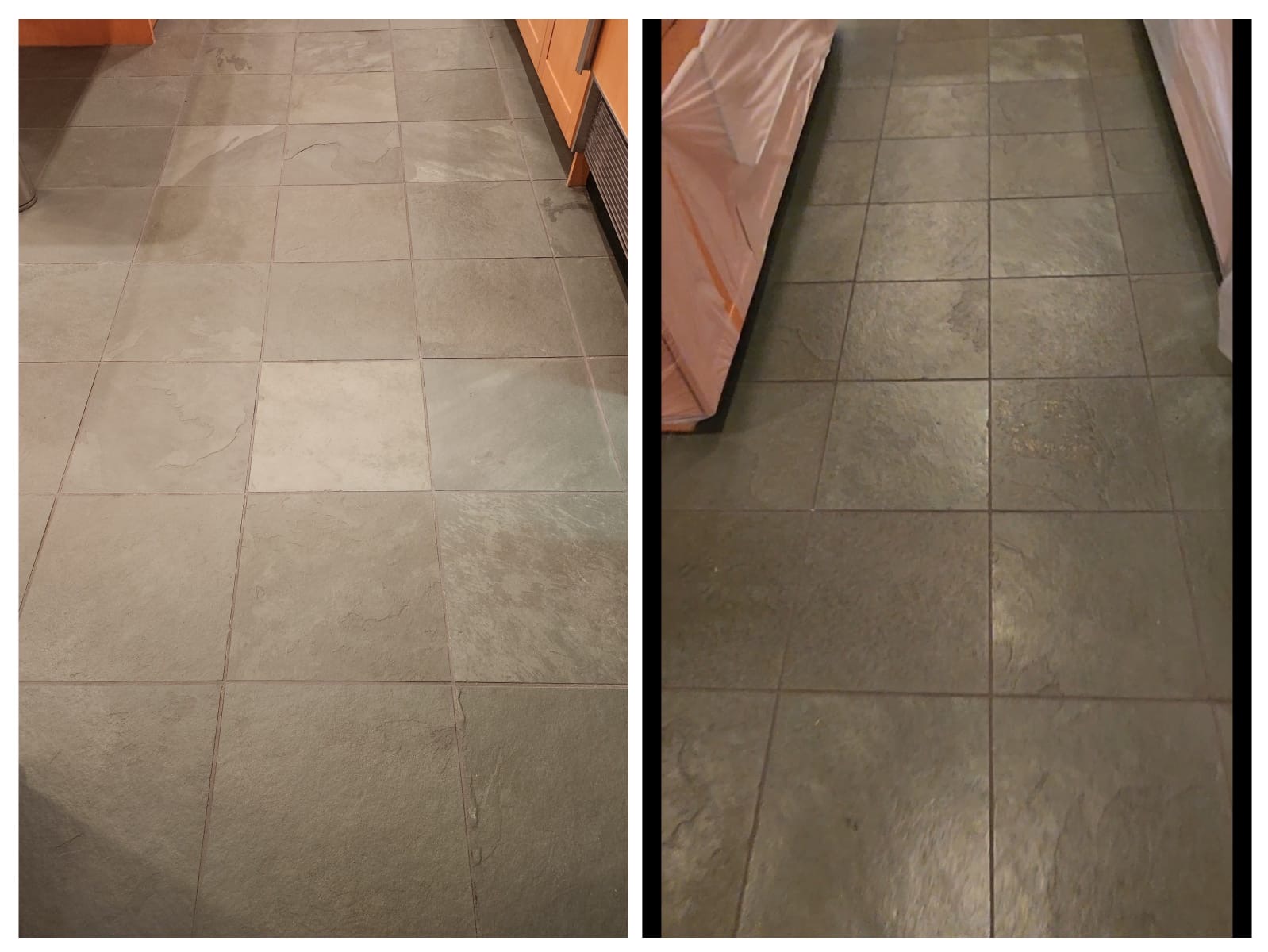
Stains and discolorations can be resolved – our cleaning removes deep dirt and stains as it cleans and protects! Dull uneven finishes can be polished or honed to a uniform consistency – our polishing creates a brilliant shine and luster and our honing leaves a flat appearance to your stone and will therefore show less future scratches and blemishes.
The stone’s finish itself can be changed from a high polished one to a honed or antique finish or vice versa. Stone and grout can be sealed to protect it – our odorless water based sealer penetrates and protects and is safe for pets.

Natural Stone
Silver State Floor Restoration offers complete natural stone cleaning, sealing, polishing and restoration of floors, stairs, countertops, backsplashes, shower enclosures, fireplace surrounds and other vertical walls, patios, driveways and any other interior and exterior natural stone surfaces.

Tile & Grout
Cleaning tile floors by hand will never achieve the deep clean results that come with our professional tile and grout cleaning. We can remove the hidden dirt and allergens that lie deep within the pores of your grout lines, restore the luster to your tiled surfaces and protect it with our sealing services.

Marble
Marble is an easy surface to maintain when cleaned periodically using a non-acidic cleaner, however over time, wear will set in and create hollows and low points for dirt and dust to collect. We can professionally clean, seal and polish your marble to keep it looking great!

Travertine
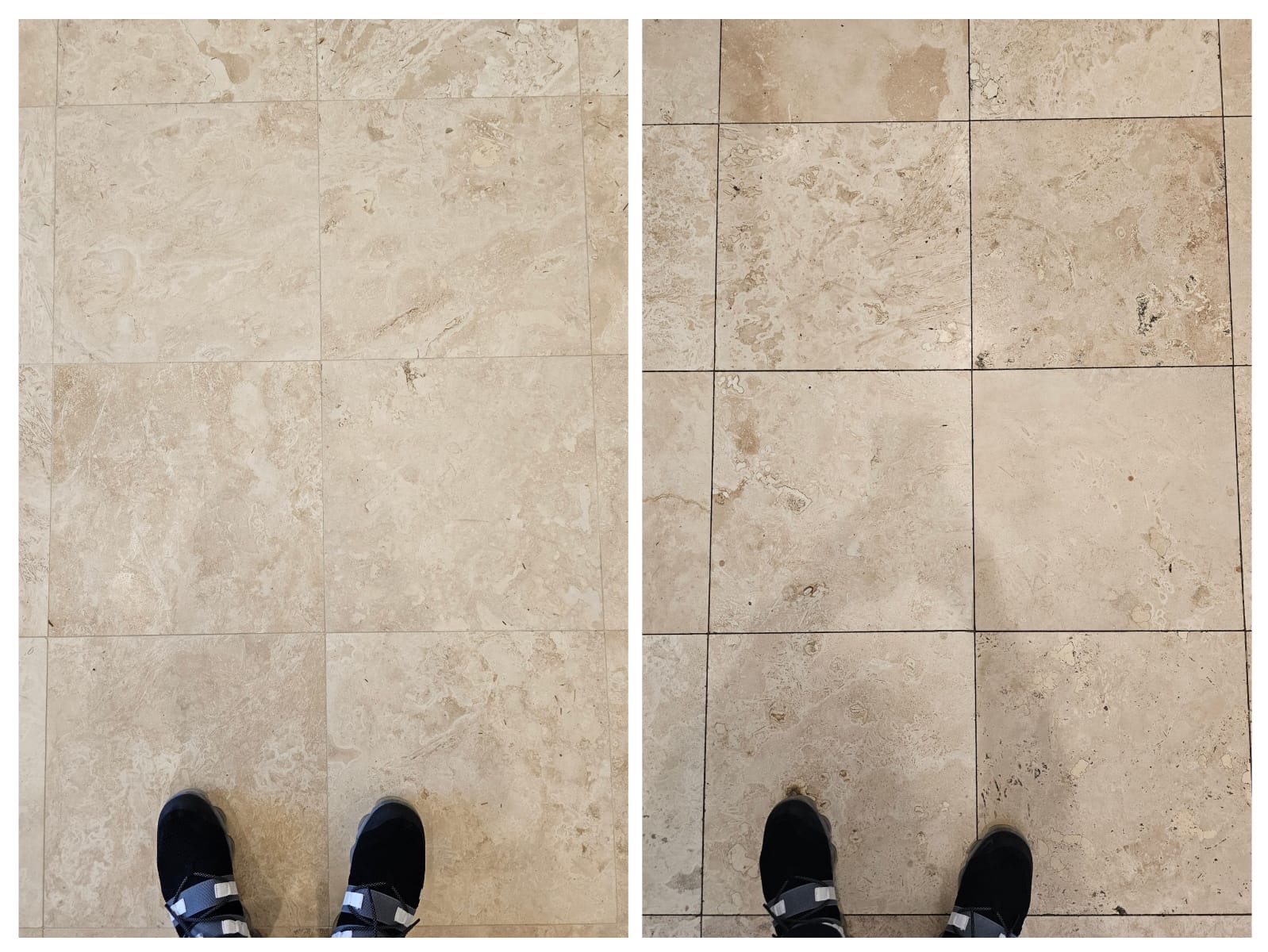
Travertine is naturally porous and has a tendency to open new voids over time. More spots mean more place to catch dirt. Whether you want us to take care of cleaning, filling a chip or crack, polish scratches, or restore your travertine, we can deliver the best possible service.


Hardwood Floors
Cleaning hardwood floors requires deep dirt extraction to remove the dust, dirt, allergens and other debris settled into the cracks and crevices. Professional hardwood cleaning is the key to keeping dirt out of your floor planks and restoring the shine to your dull wood floors!

Countertops
Regular cleaning, sealing and maintenance of your natural stone countertops is critical to protecting your investment. There are many do-it-yourself products available but most of them do more harm than good. Trust our professionals to restore the beauty of your countertops today.

Concrete Floors
Like all other flooring surfaces, concrete floors become dull and dirty over time. A professional deep cleaning by Silver State Floor Restoration brings new life to concrete floors by removing the toughest dirt safely and effectively. Your floors will be rejuvenated when professionally maintained.

Stone Polishing & Honing
Our natural stone honing mechanically resurfaces using diamond abrasives and water to achieve a uniformly honed surface sheen while our polishing services mechanically finish to produce a high gloss shine. We also offer diamond grinding if the stone surface has deeper etches, scuffs and scratches.

VCT Strip & Wax
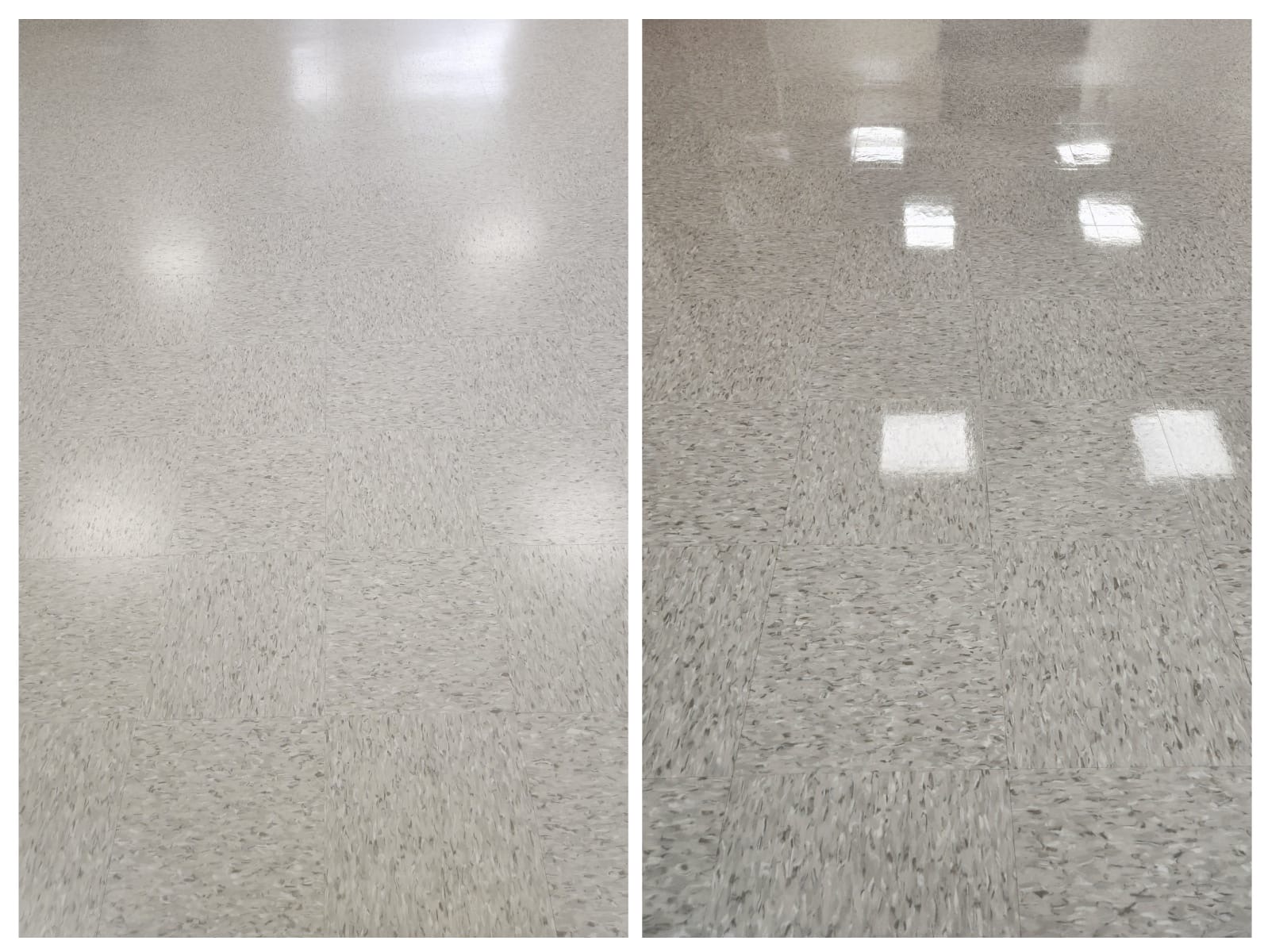
Without proper maintenance, vinyl floors lose their shine; develop wax buildup, yellow discoloration, scratches and abrasions; and act like a magnet that attracts dirt. Silver State Floor Restoration provides VCT stripping, sealing and waxing to restore the look of your vinyl composite tile floor.
Premier Natural Stone Floor Cleaning in Greater Las Vegas, NV
A well maintained natural or man-made stone floor will not only provide a healthy environment but generate a lasting value that can also raise your homes value or business revenue exponentially.
We Clean Bathrooms & Showers, Kitchens & Counter Tops, Floors & All Other Hard Surfaces!
Silver State Floor Restoration can bring out the natural shine of your stone floor by polishing it to a deep mirror like reflection. We can apply a variety of finishes to your travertine, marble or any stone floors, walls, tables or counter tops.


Travertine & Marble Natural Stone Tile Cleaning
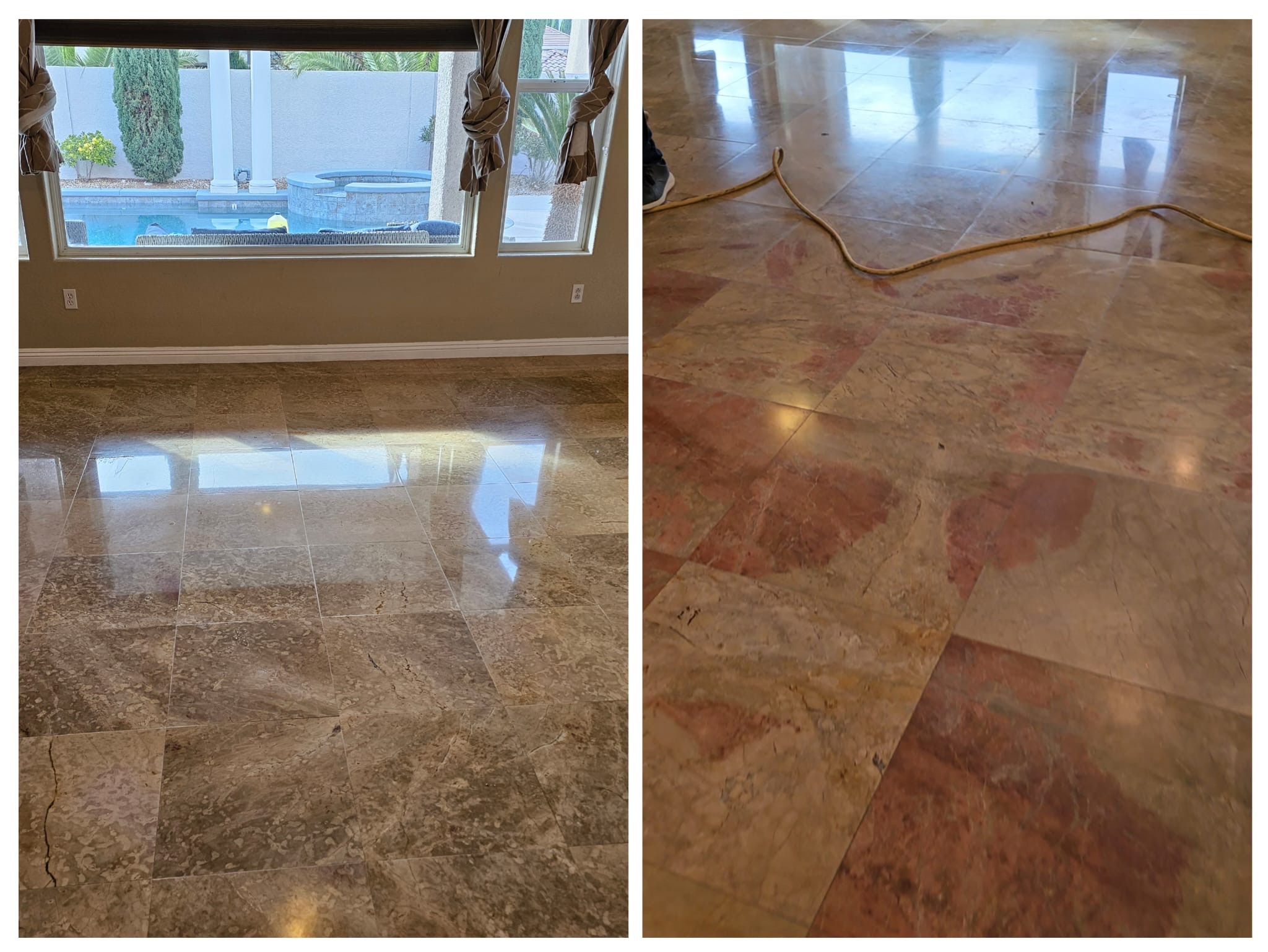
When cared for properly, your marble floors can last a lifetime! But foot traffic, spills, age and the elements cause many marble surfaces to lose their luster and shine over time. Silver State Floor Restoration’s team of experts can restore your natural marble stone to a like new appearance with our comprehensive range of marble restoration services. And once we restore your marble, we’ll offer routine cleaning and maintenance services to keep it looking amazing! Our knowledge of cleaning and sealants will have an fantastic result. Our certified service technicians are highly trained and have extensive experience with every type of natural stone surfaces including marble, travertine, granite, slate, soapstone, terrazzo, saltillo and more. If you have a marble or other stone floor that has lost its original beauty, it’s time to contact Silver State Floor Restoration!

Manmade Tile & Grout Cleaning & Sealing
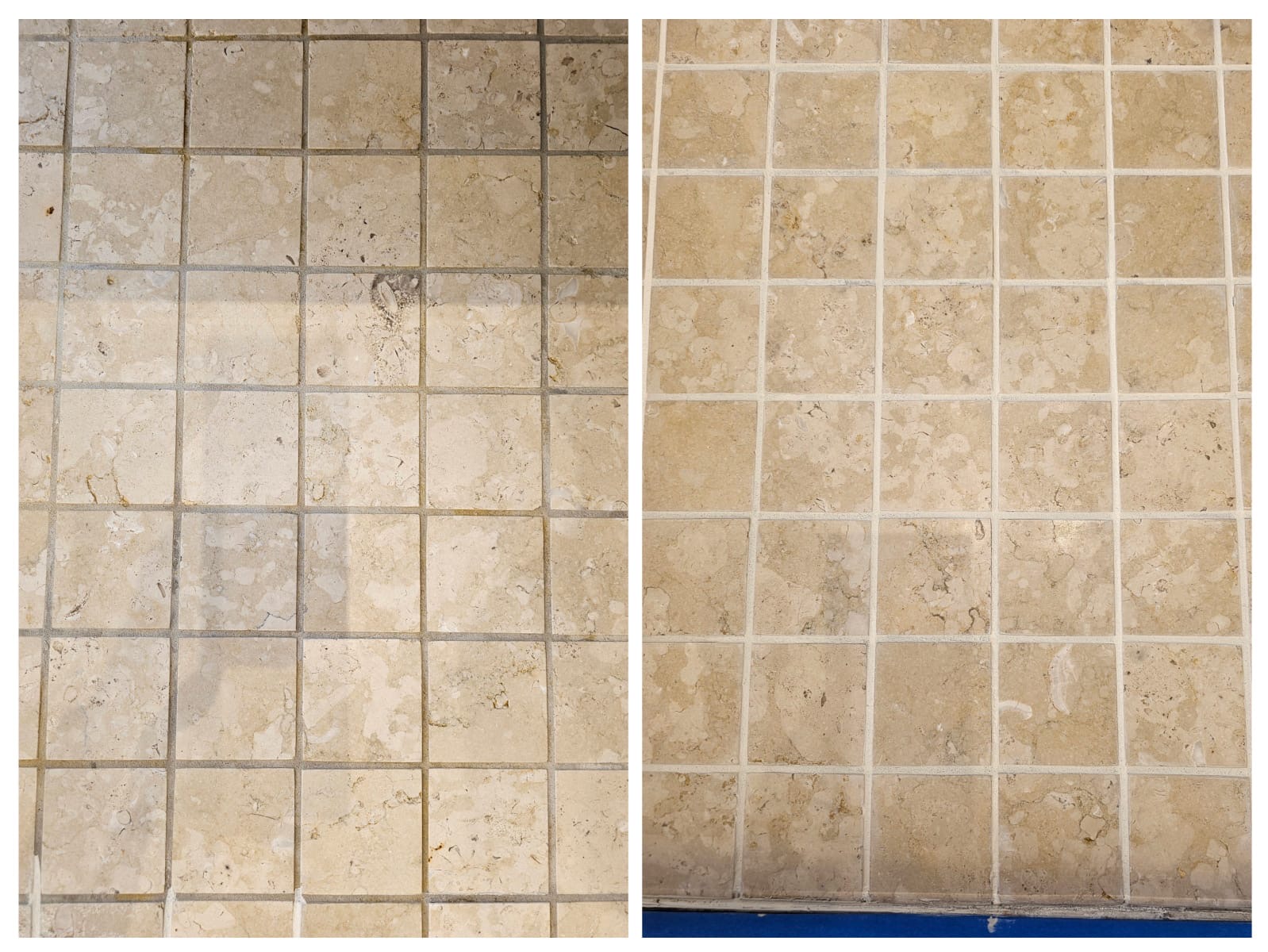
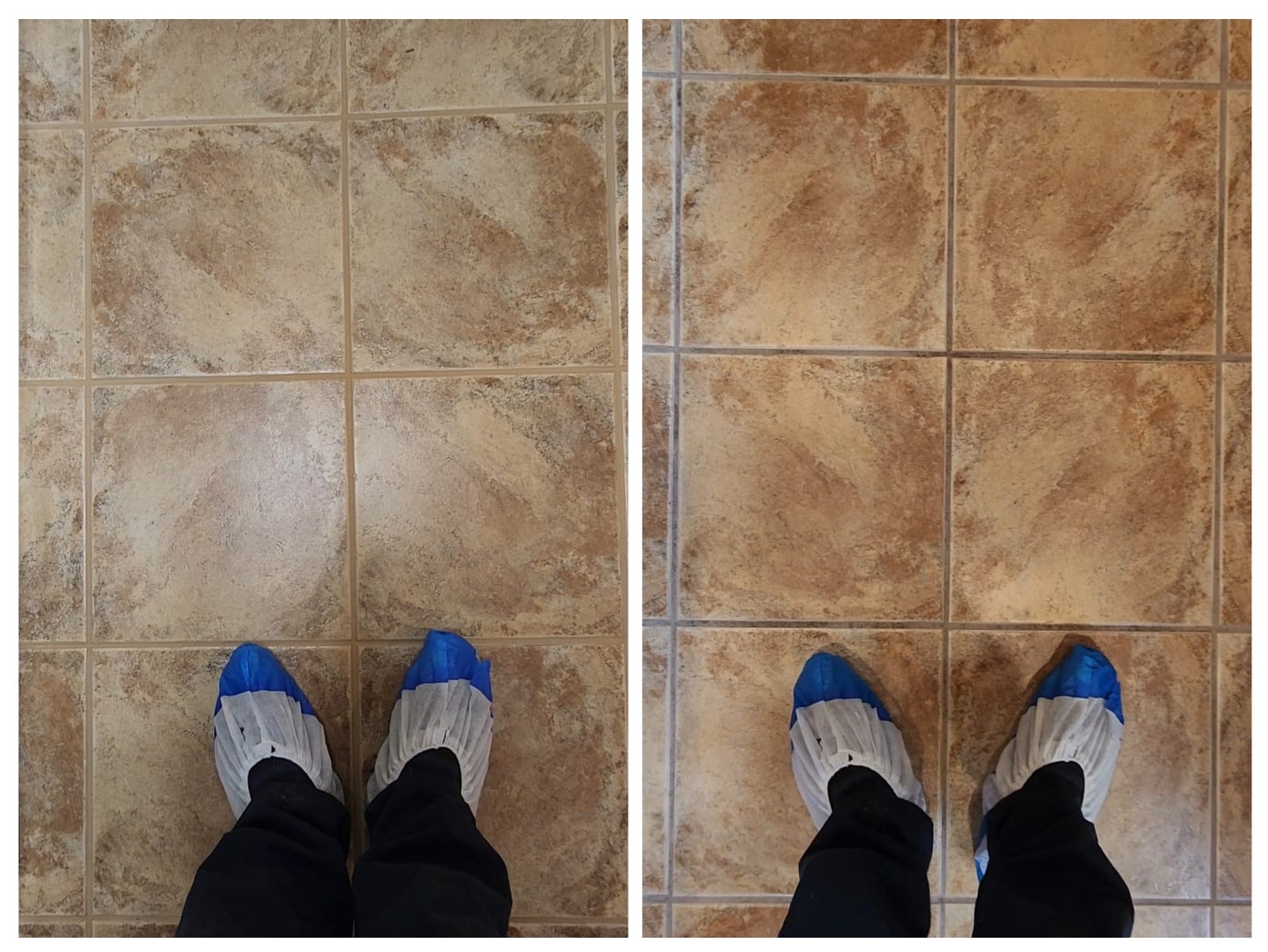
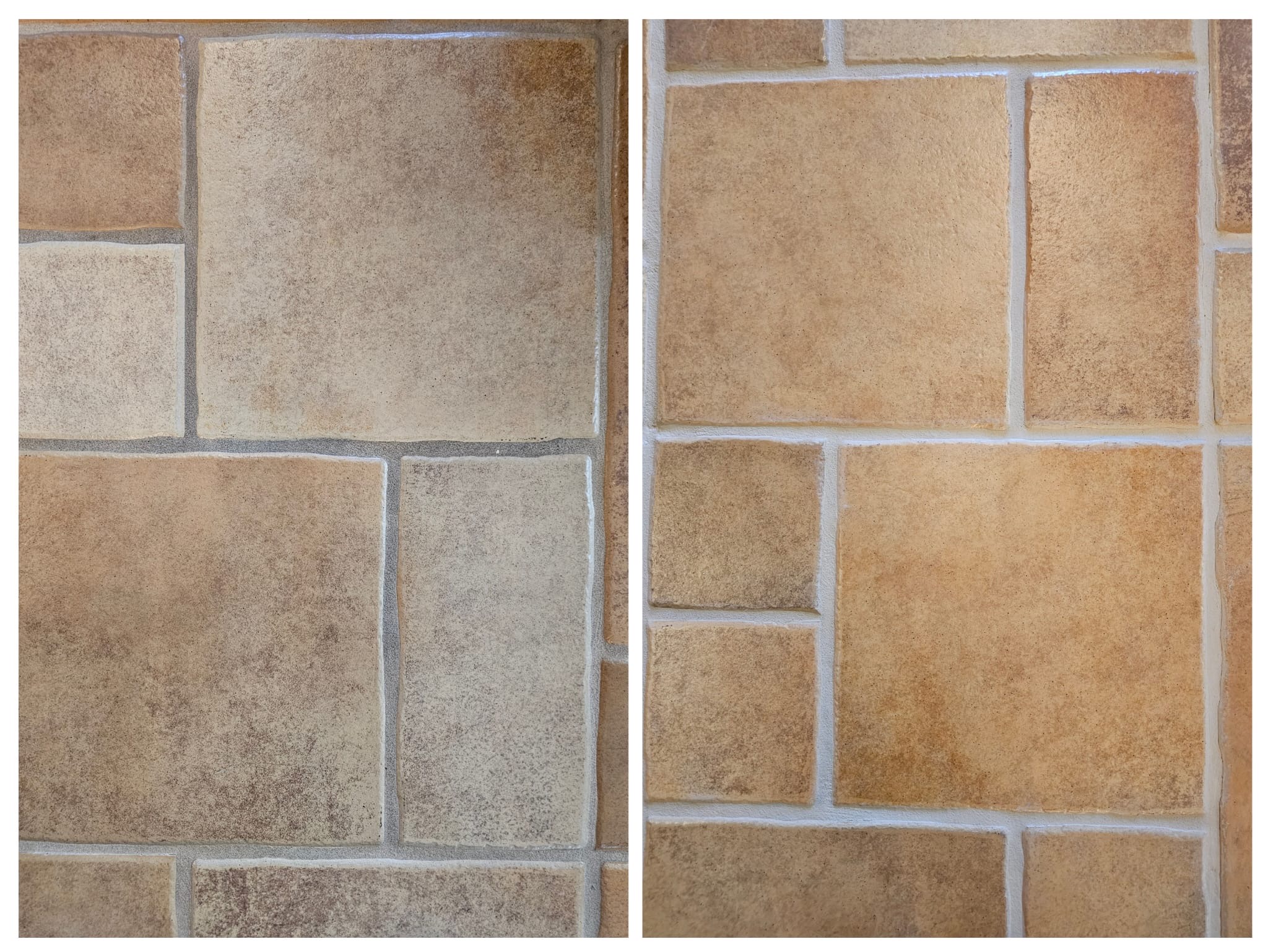
Our tile cleaning removes any signs of neglect and old age. We can clean and acid wash your tile and grout. The grease and grime that has accumulated in the porous grout lines will be gone leaving a sparkling floor that looks like new. Our tile and grout cleaning not only cleans deep inside of the tile and grout lines, but also kills most of all the germs!
Grout Cleaning & Coloring
In addition to our quality tile cleaning service, we can protect your grout from getting dirty again by coloring it with any of the 100 colors that we have available. We can achieve whatever new or old look you desire, whether you want to go a lighter or darker shade, or even a different color altogether.

Vinyl Composition Tile (VCT) Stripping & Waxing
Vinyl composition tile (VCT) flooring is more commonly seen in commercial buildings. Silver State Floor Restoration offers VCT striping and waxing services to better preserve flooring as well as keep it looking its best. We use a high quality wax with a high percentage of solids to creates a longer lasting and more brilliant shine. Your VCT floor will appear new for a longer time period and its useful life will increase as a result of our proven stripping and waxing methods and procedures.
Deep Hardwood Floor Cleaning
Silver State Floor Restoration has been cleaning hard floors since the 90’s. Our deep cleaning of hardwood floors goes far beyond your DIY attempts with mop or broom that simply moves the dirt around. Our hardwood floor cleaning removes the ground in dirt from cracks and crevices that is dulling your hardwood floors. Not only does our hardwood floor cleaning result in cleaner, brighter floors that are impressive to behold, but it also improves the air quality and air flow in your home. After a thorough deep hardwood floor cleaning, we restore the pH balance to your floor with a professional grade wood cleaner, which removes any remaining dirt and residue. Our entire hardwood floor cleaning process is non-toxic and low-odor.
Ceramic Tile & Grout Cleaning & Sealing
Silver State Floor Restoration meticulously cleans the deeply rooted buildup and debris of your ceramic tile and grout, whether it is found in a commercial business or residential home in the Las Vegas Valley. After our cleaning service, your ceramic tile and grout is vibrant and beautiful once again. Like porcelain tiles, ceramic tiles don’t always require sealant, and depending on ceramic tile, sealing may not be needed. Our specialists have been trained to distinguish the need for appropriate cleaning and sealing methods on all ceramic tiled surfaces.

Tile & Grout Sealing
More often than not, tile and grout used in commercial businesses and residential home of the Greater Las Vegas, NV area require a sealing every so often. Sealers are usually applied after installation, but time and regular cleaning can cause the sealant to fade away. Sealers are not required on all types of tile and grout, but the majority of tile and grout should be sealed. The sealers help make the tile and grout resistant to staining and to the buildup of debris that occurs without it. The sealer in many cases, can also help make the tile and grout more durable. Following a Silver State Floor Restoration tile and grout cleaning, we recommend a sealing service to protect your tile and grout where it is applicable.
Travertine Cleaning & Sealing Services
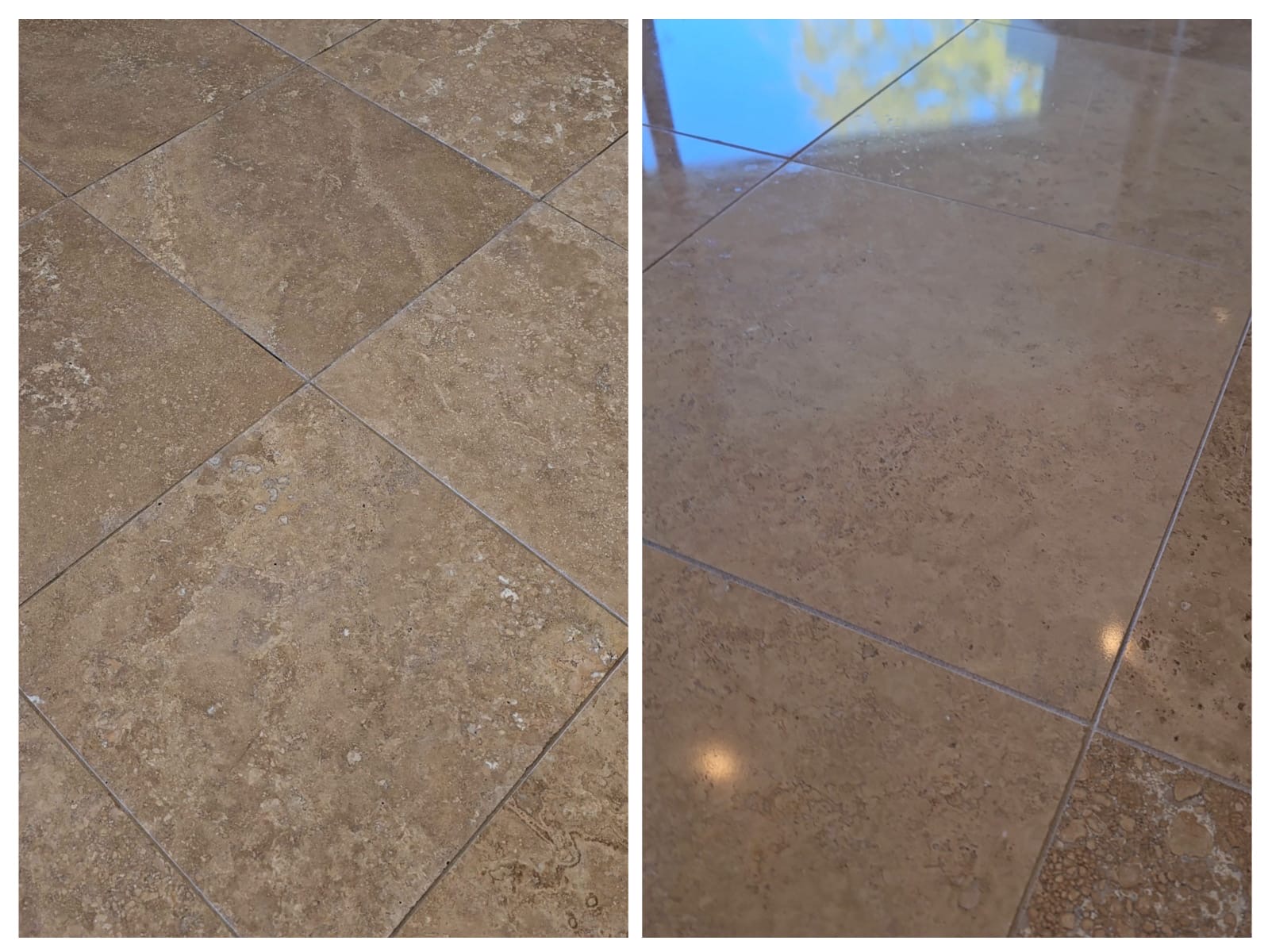
Travertine Cleaning and Sealing Services is among the many services we offer. Travertine is commonly found in many homes and businesses, it is a form of limestone deposited by mineral spring, especially hot springs. Its elegance and charm can really be a dynamic focal point, but when it becomes dingy and lifeless, it can make the whole room appear drab and grimy. That’s when you need Silver State Floor Restoration, our expertise and professional grade equipment and detergents can get your travertine floors clean and vibrant once again. After Silver State Floor Restoration our professionals not only have the knowledge and supplies to give travertine a beautiful deep clean, but we can also perform a Travertine Sealing service as well. Sealing the travertine can better protect the stone from acids and foreign substances the Las Vegas deserts can deposit, to better increase the longevity of your travertine floor. Sealers are designed to fade over time, and with continual maintenance, sealers can continue to protect your travertine floor.
Marble Cleaning & Sealing Services
Marble is a soft stone; it can quickly become dull and scratched, especially in high traffic areas. With the Las Vegas deserts being tracked in, it causes traction that can scuff up the marble, but thankfully, Silver State Floor Restoration has a Marble Cleaning and Sealing Service that can remove the filth and keep it better protected with our high grade sealers. Our technicians are not only trained and certified to care for your marble, but with their skills and talents, combined with state of the art equipment and high quality detergent, your Marble Cleaning Service will be performed with precision and care. Often marble will lose its luster, and a cleaning isn’t enough to restore the shine. With our added marble shining your elegant marble floors will be shiny and stunning once again. Marble Sealing Services are also available with Silver State Floor Restoration. Sealers are designed to preserve the life span of your marble floor. The gritty debris the Vegas deserts supply can easily end up on your marble floors; the sealers provide a barrier to protect the marble. After time however, sealers need reapplication for continued protection.

Travertine Polishing
Travertine is very similar to a sponge in that the density of travertine depends on how much stone is present versus the number of air pockets. Our custom abrasive process smooths the surface of the travertine without opening up air pockets beneath the surface, which effectively seals the stone and reduces its surface area. Less surface area means fewer pores and pathways that liquids can use to get into the stone. As our polishing process progresses, the travertine becomes more reflective. Our travertine polishing is extremely elegant as the more we polish, the deeper you can see into it. Call us to make the colors in your travertine stone more vibrant, beautiful and easier to clean too!
Marble Polishing
Marble has been chosen as a floor covering for thousands of years due in part to its beauty and durability. Silver State Floor Restoration employs abrasives such as diamond pads and powders for cleaning, polishing and sealing marble. Marble is a denser stone than Travertine which means less air pockets and less fill overall. Marble comes in a wide variety of colors such as white, black, gray, gold, beige, yellow, brown, blue, green, pink and red. We believe marble looks its best with Silver State Floor Restoration’s high gloss polishing service. We offer the shiniest finish possible! Contact us to learn more about our expert marble cleaning, sealing, polishing and restoration services today!
Honing VS Polishing
Honing – Our Honing process grounds the surface of the natural stone to a smooth, flat and consistent surface. For stones with a natural shine such as marble and granite, the shine is removed leaving a matte (unpolished) surface with little to no reflection and no ridges or bumps. A honed finish is ideal for floors, stairs and other areas that must withstand heavy foot traffic.
Polishing – Our polishing process achieves a highly reflective surface, which displays the vibrancy of the natural stone’s colors as well as it’s character. A polished surface is easier to keep clean and free of stains because the process closes and seals the pores of the stone’s surface as well as repels moisture.
Hard Floor Restoration, Refinishing, Cleaning, Sealing, Honing, Polishing of Natural Stone, Marble, Travertine, Granite, Ceramic, Porcelain & Saltillo Tile, Limestone, Concrete, Mexican Pavers & more

We Have Locations Serving:
Las Vegas | Henderson | Summerlin | North Las Vegas | & All Surrounding Areas!

Some of The Communities We Service Include:
Anthem Country Club | Lake Las Vegas | McDonald Ranch | Piccoli Ranch | Queensridge Place | Red Rock Country Club | Roma Hills (in Henderson) | Southern Highlands | Spring Valley | Sun City Anthem | Sun City Summerlin | The Lakes | The Ridges | The Vistas at Summerlin | Tivoli Village | Tournament Hills | Turnberry Tower
Our Renowned Casino Customers Include:
♣ Brenden Theatres at the Palms | ♠ Christian Dior | ♦ Bellagio’s Bottega | ♥ Del Frisco’s Steak House | ♣ Diesel at Caesars Palace | ♠ Dior at City Center | ♦ Forum Shops | ♥ Gucci at City Center | ♣ Gucci at Forum Shops | ♠ Hilton Casinos | ♦ James Perse at New Forum Shops | ♥ Jimmy Choo at Caesars Palace | ♣ M & M Shop at MGM | ♠ MGM Signature | ♦ Miracle Mile Shops Planet Hollywood | ♥ Red Rock Casino | ♣ Renaissance Las Vegas | ♠ The Carriage House | ♦ The District at Green Valley Ranch | ♥ Wynn

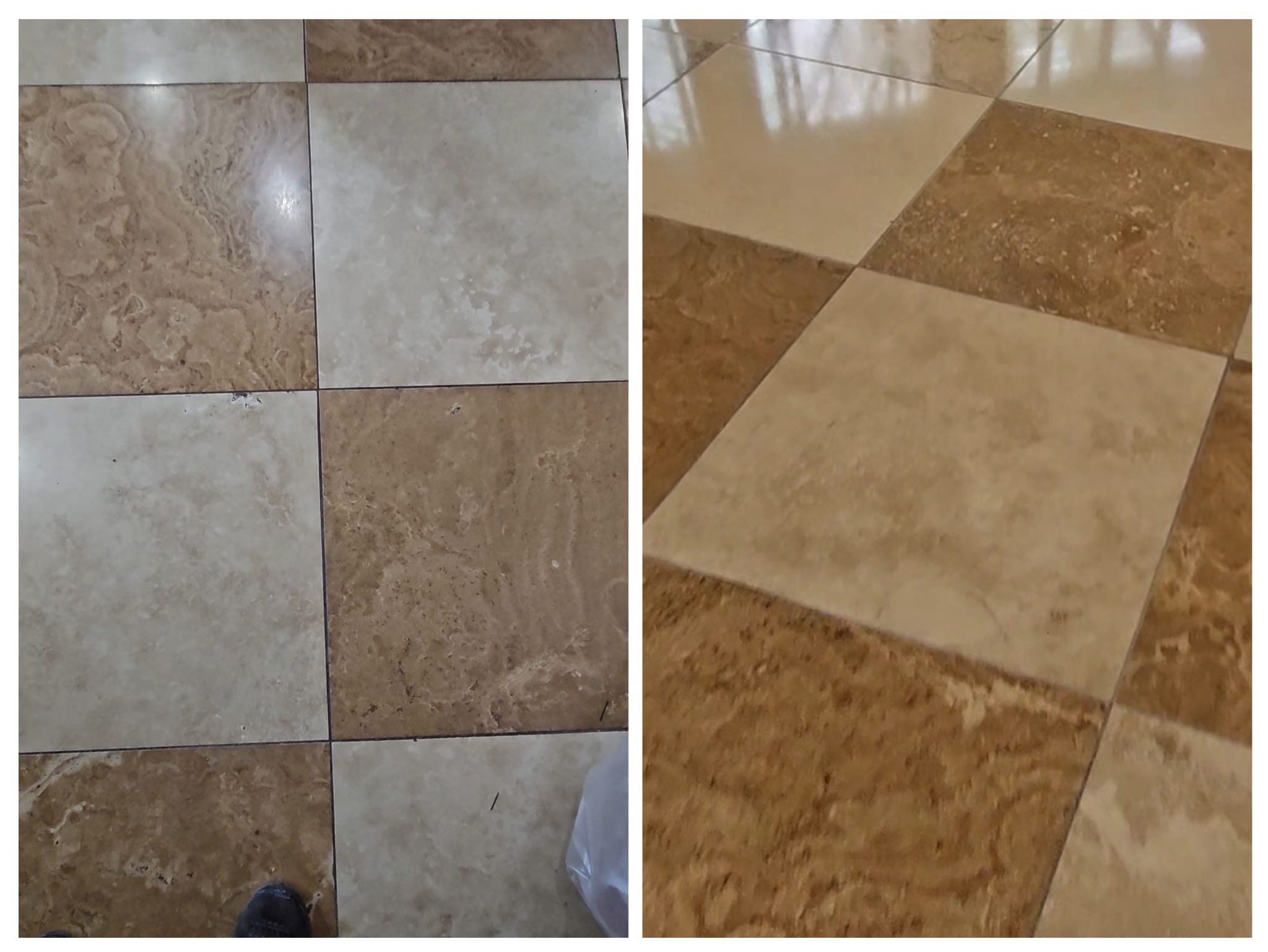
**BEFORE & AFTER GALLERY**
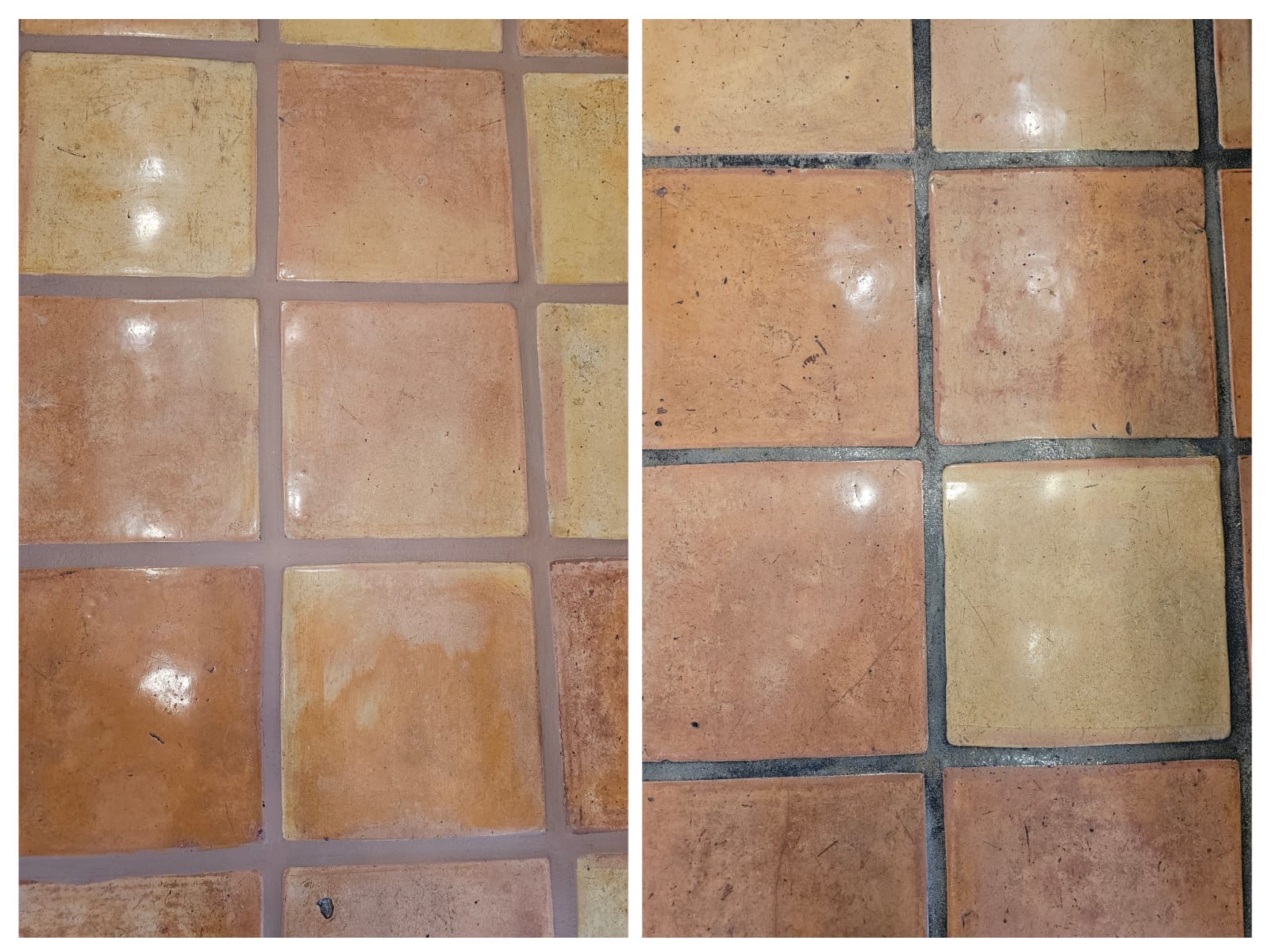
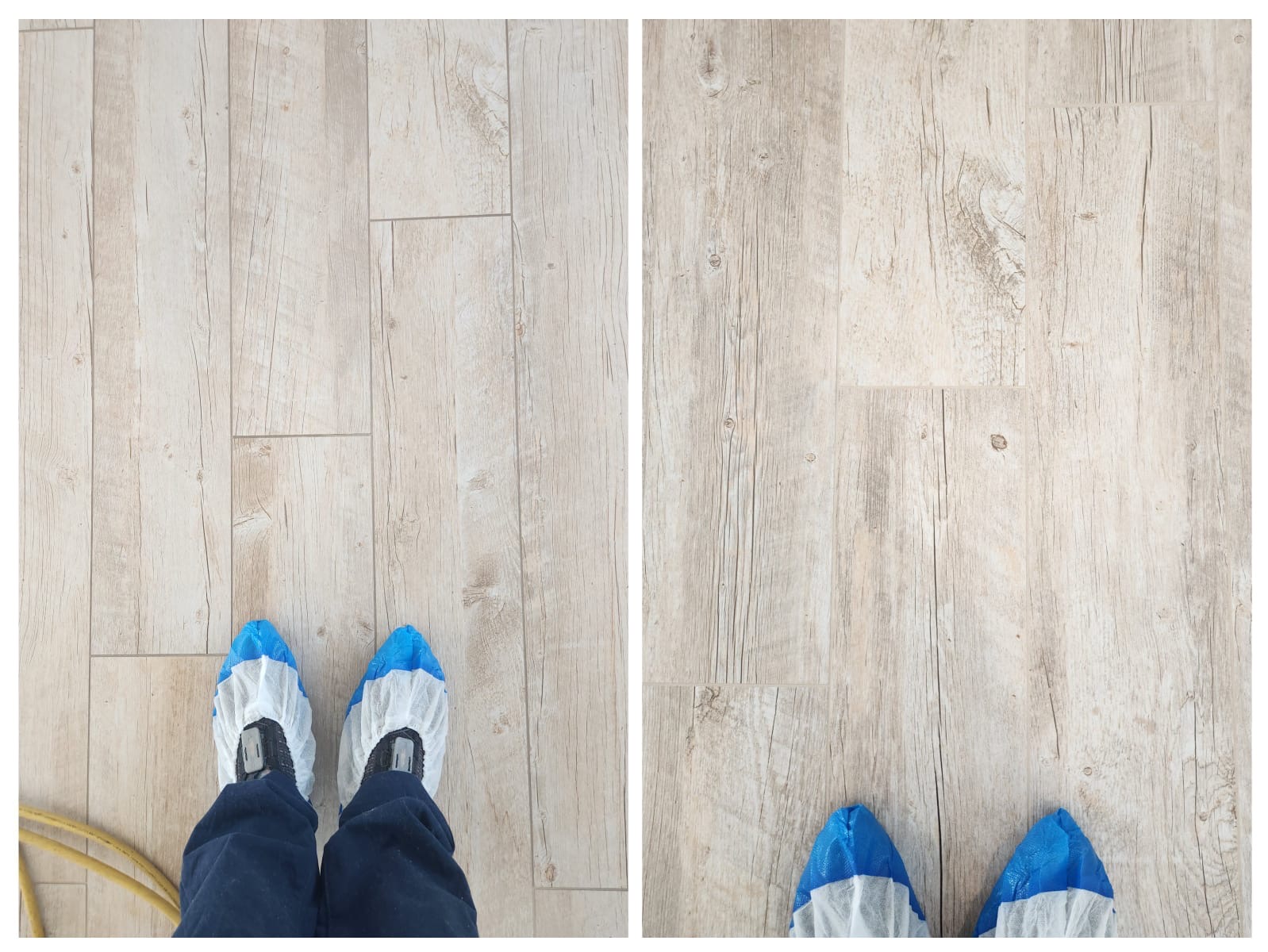
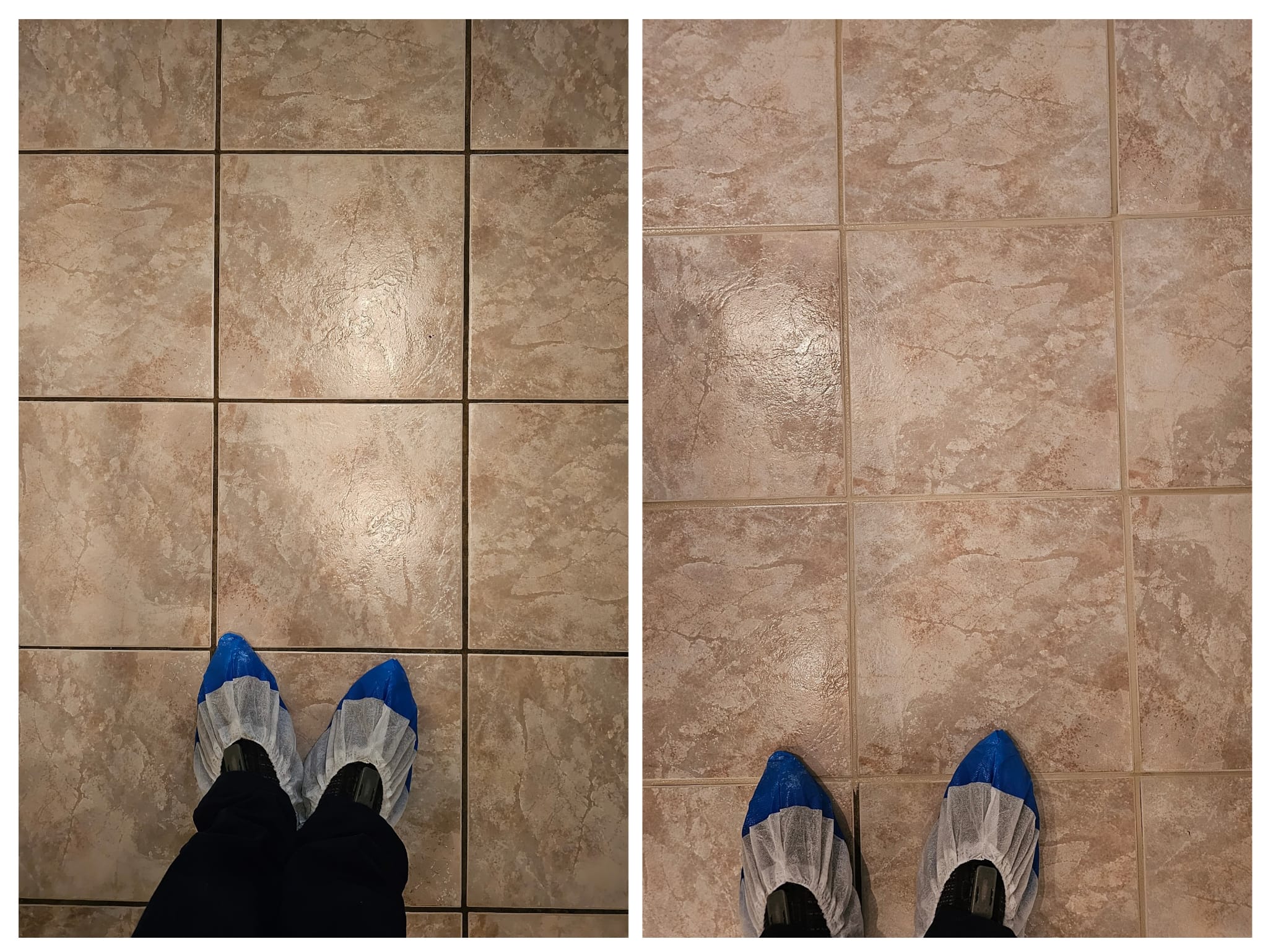
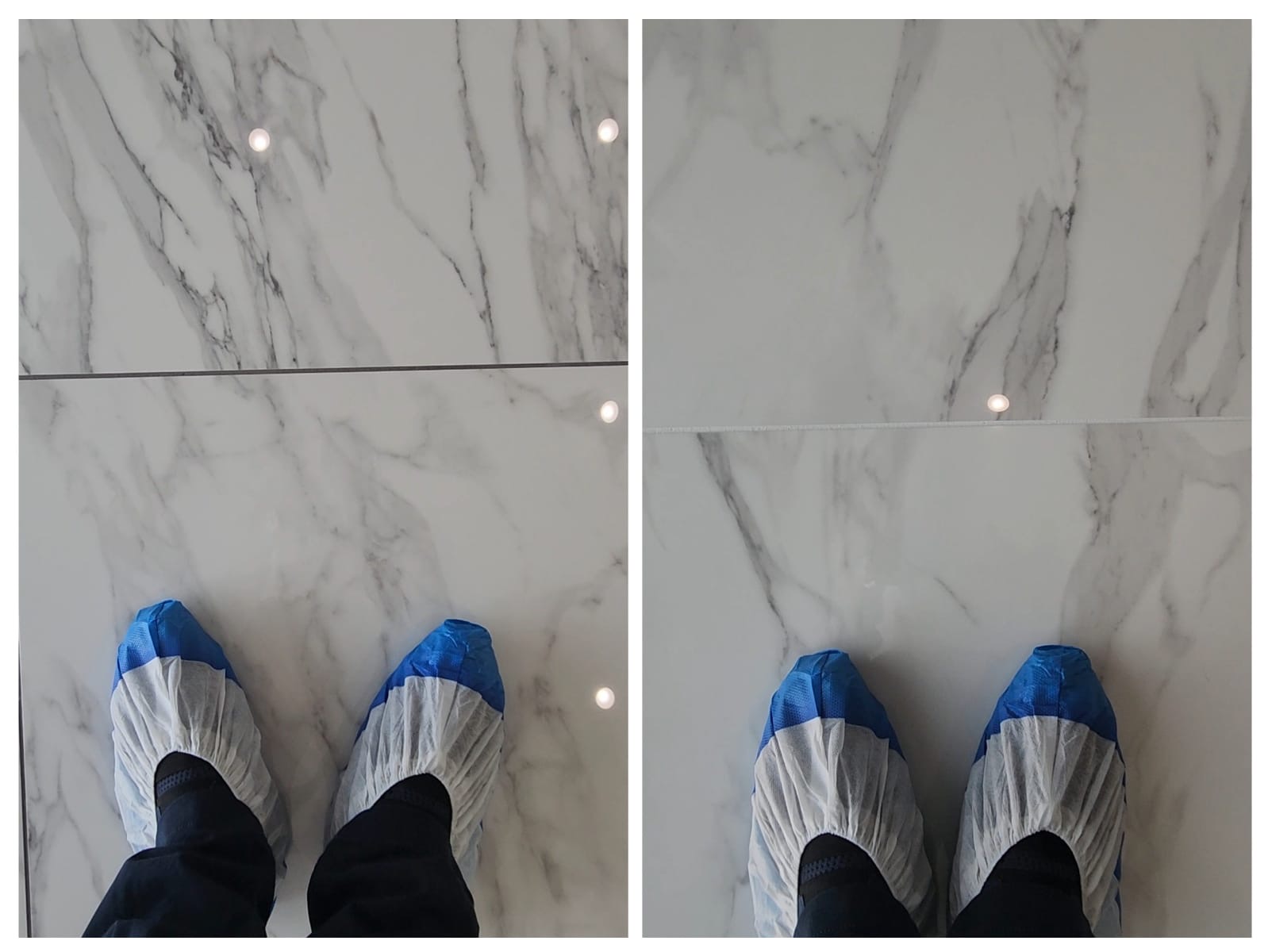
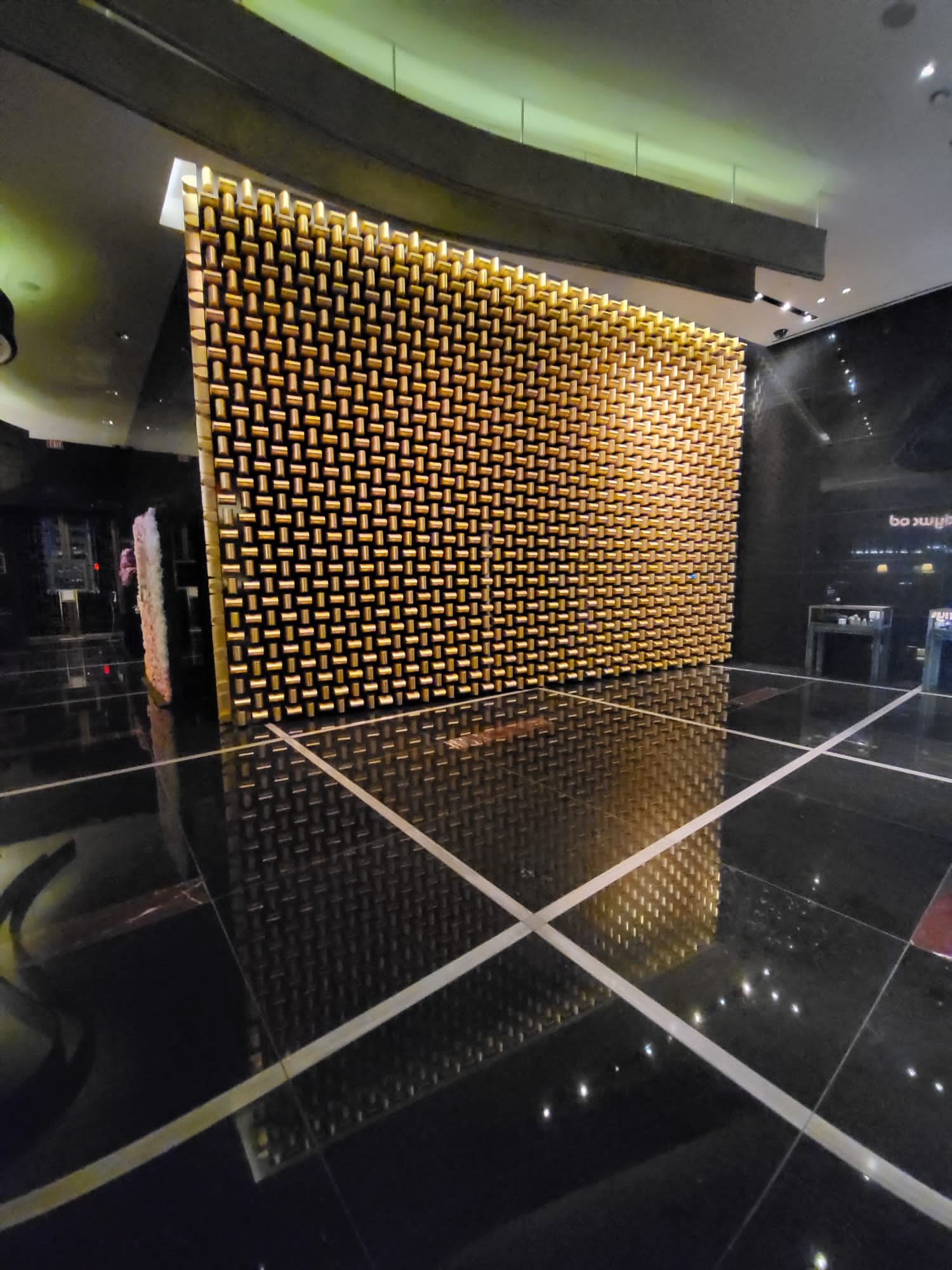
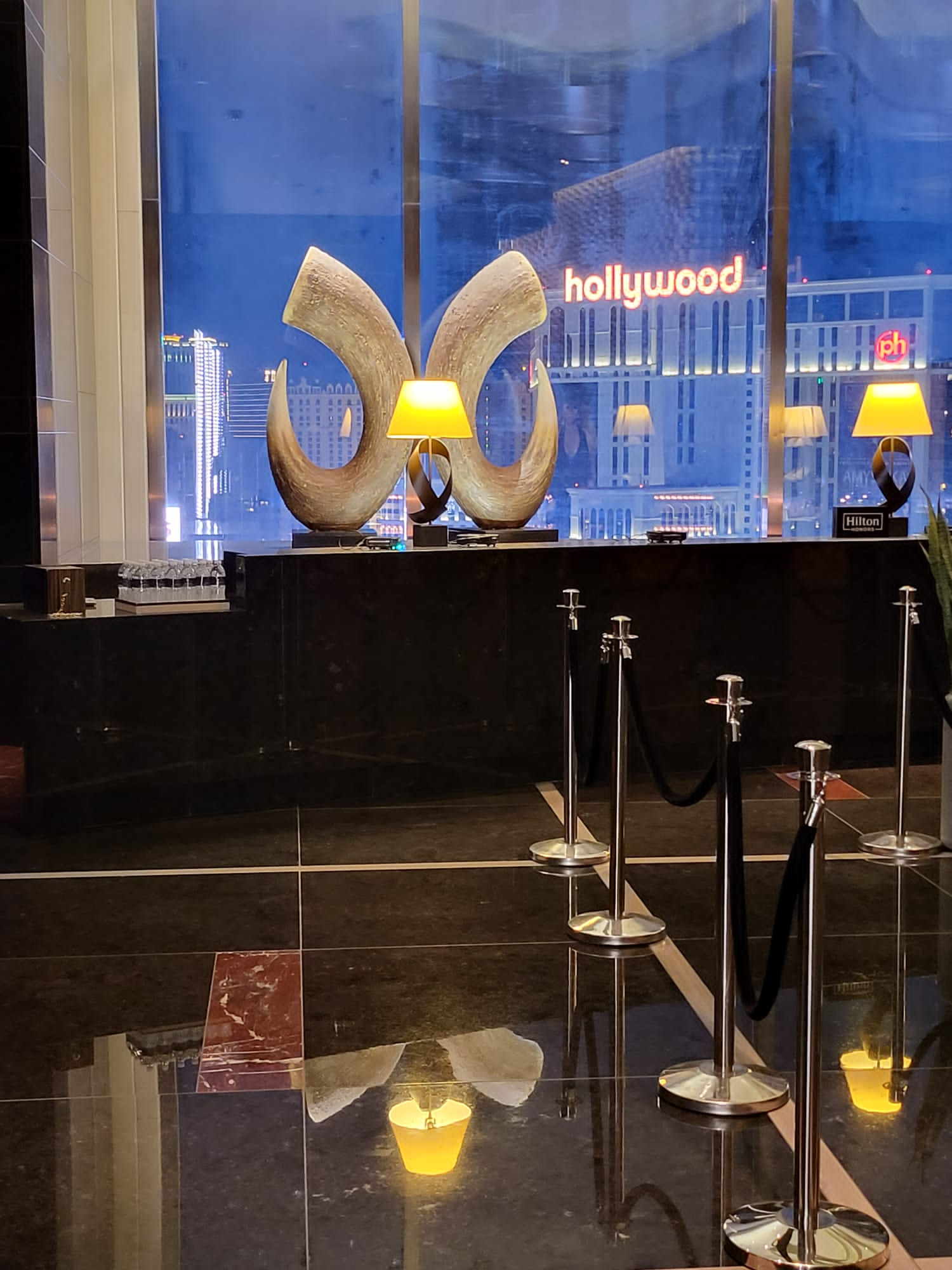
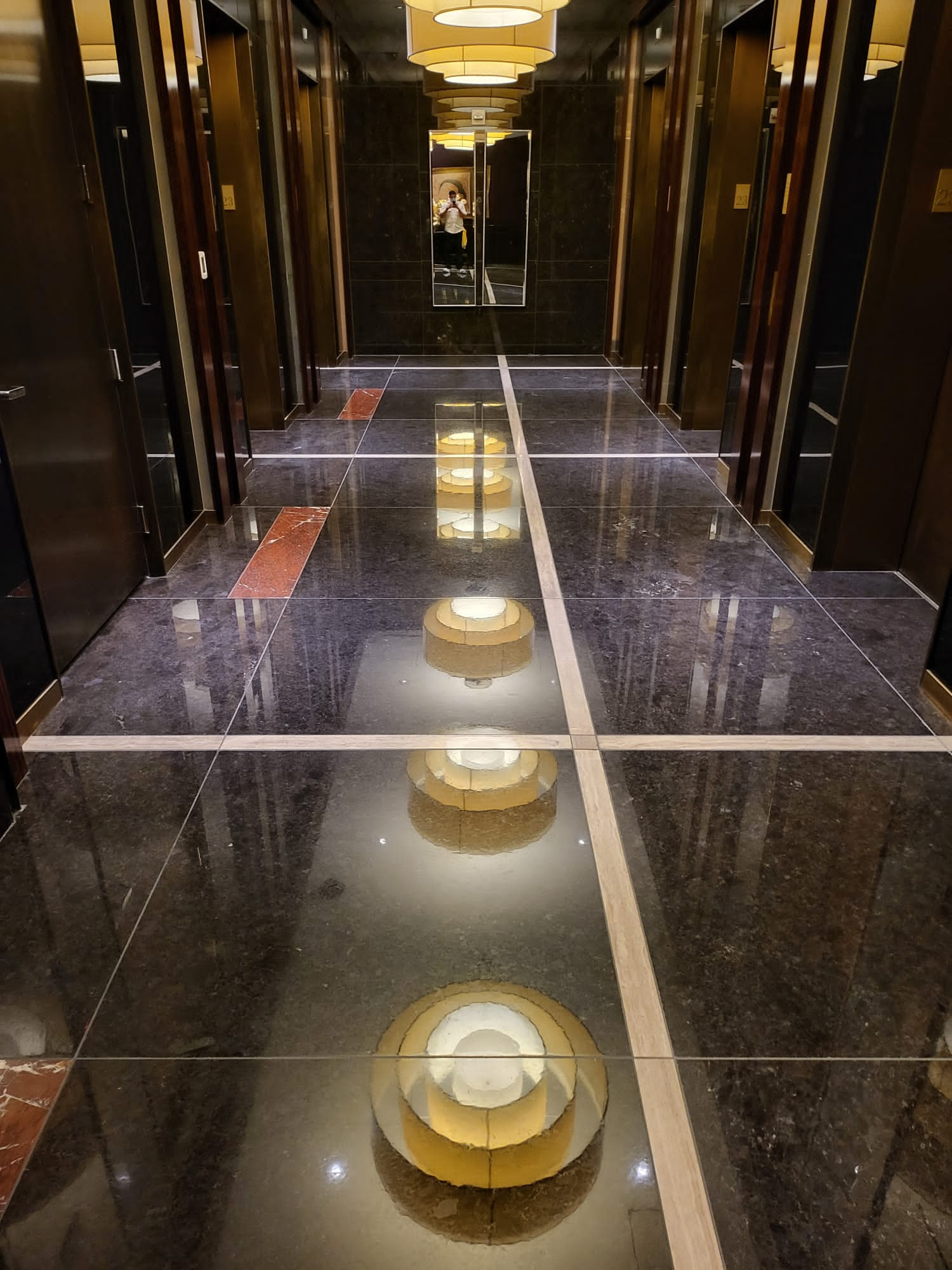
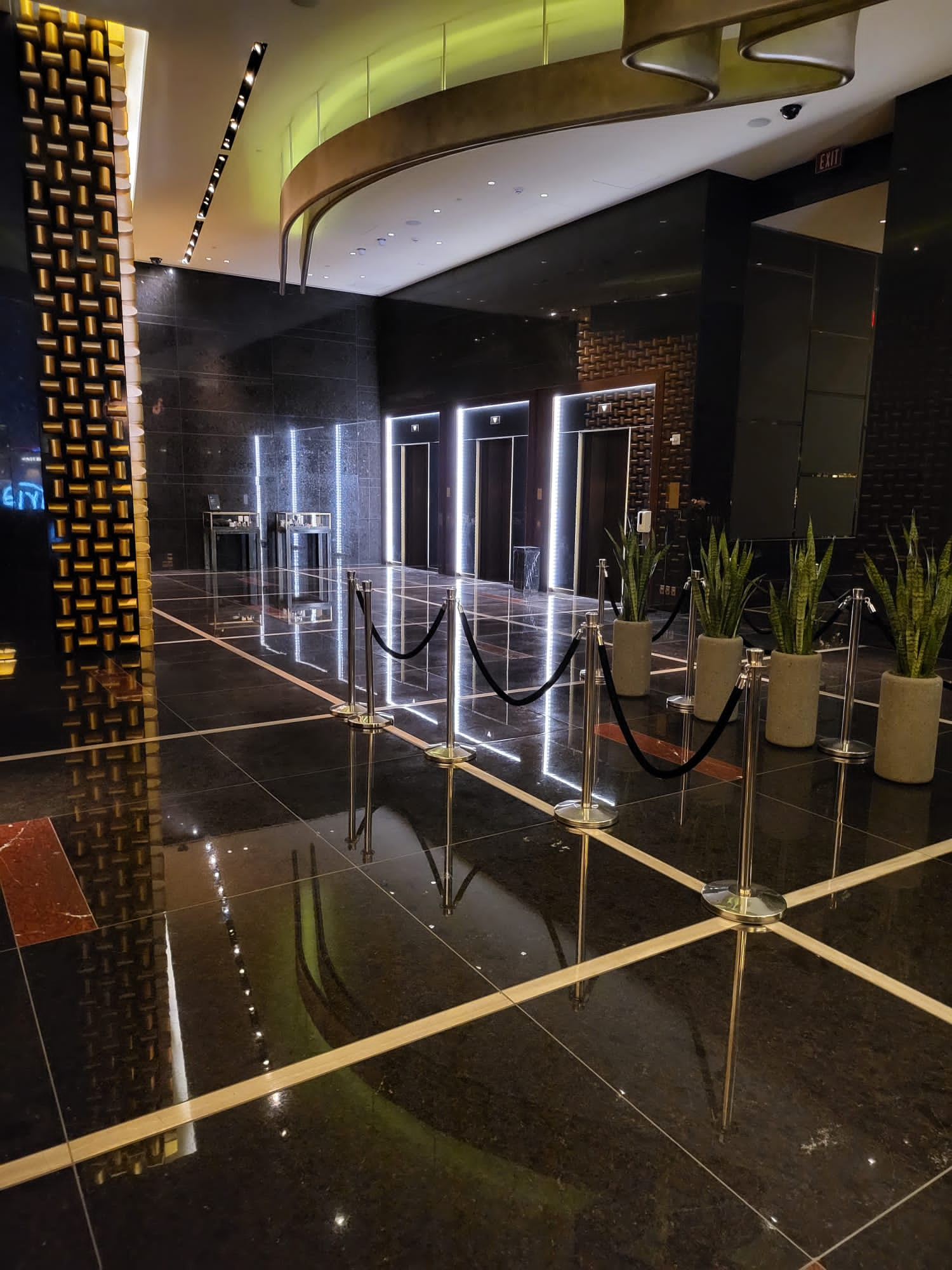
**FEATURED JOB 1 – Black Marble Floor Restoration at the Waldorf Astoria in Las Vegas NV**
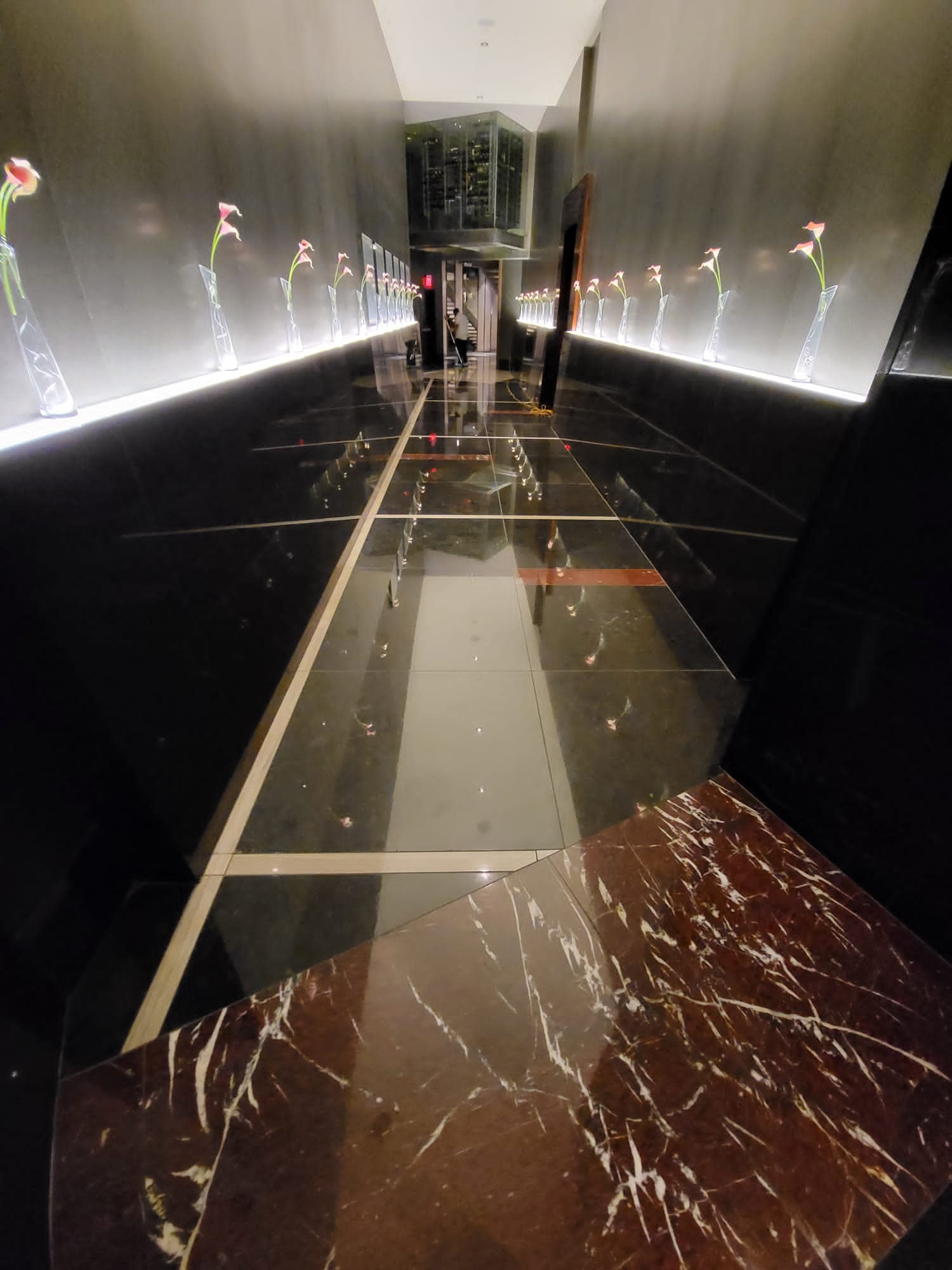
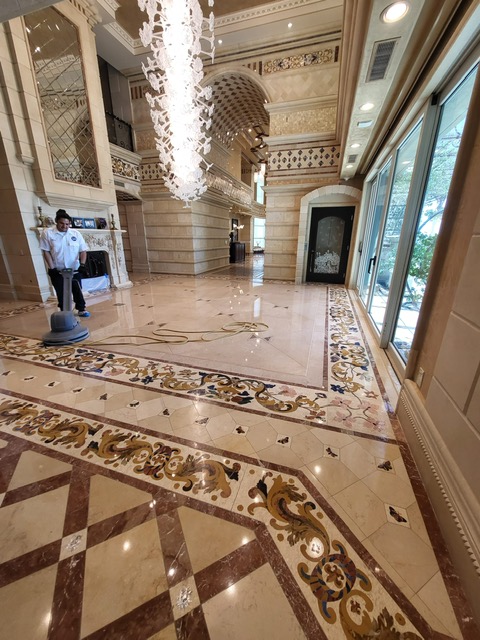
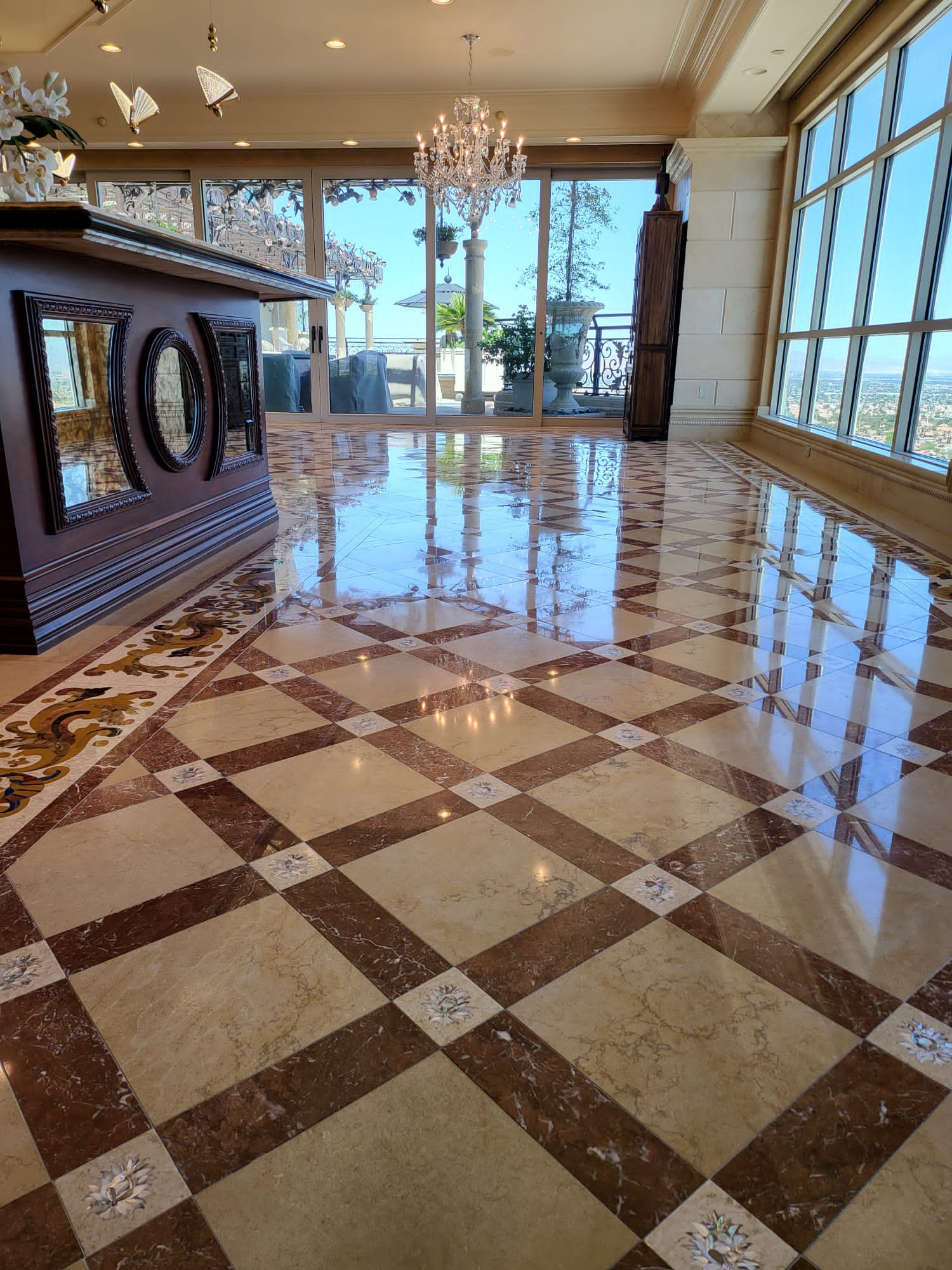
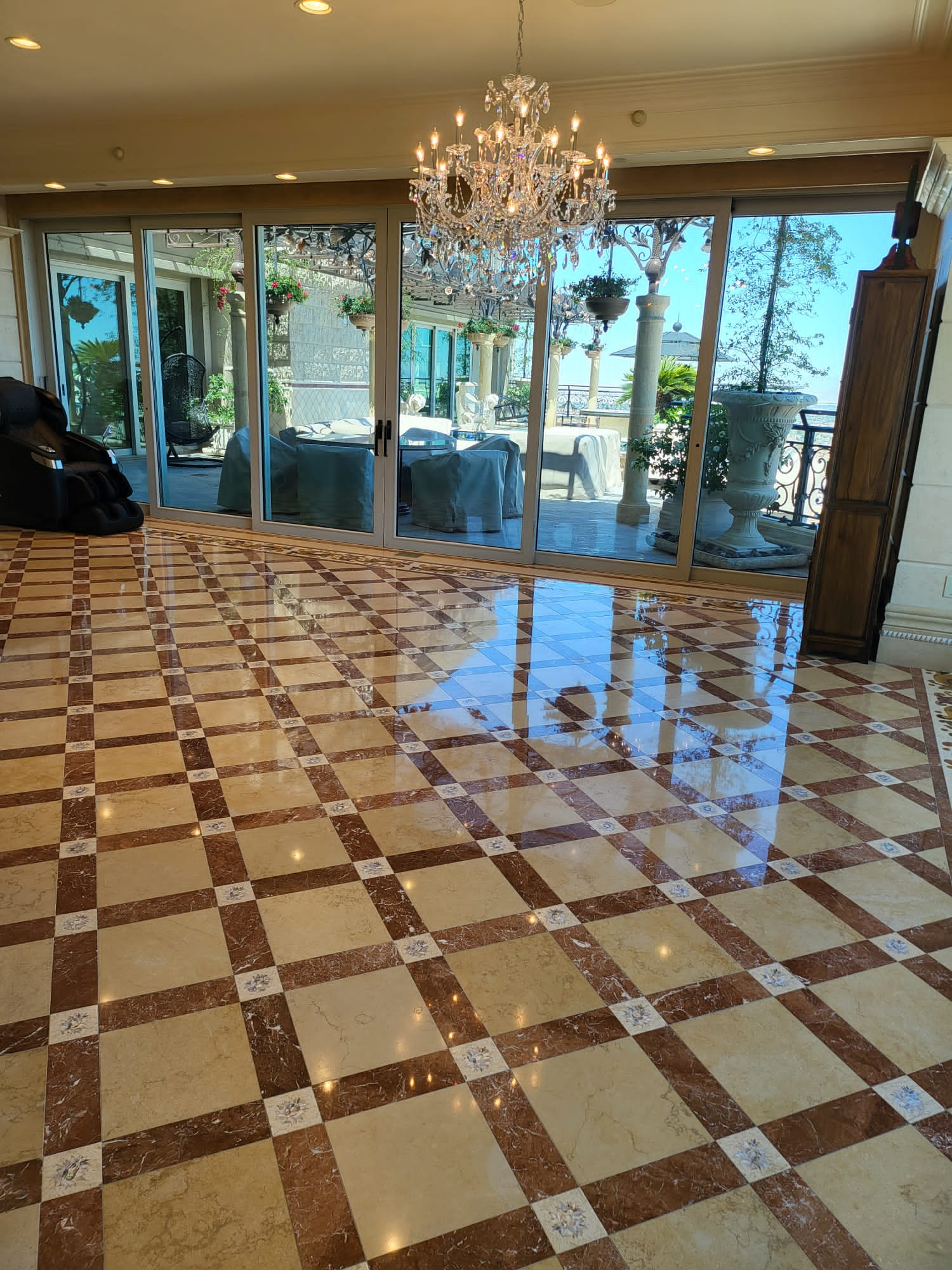
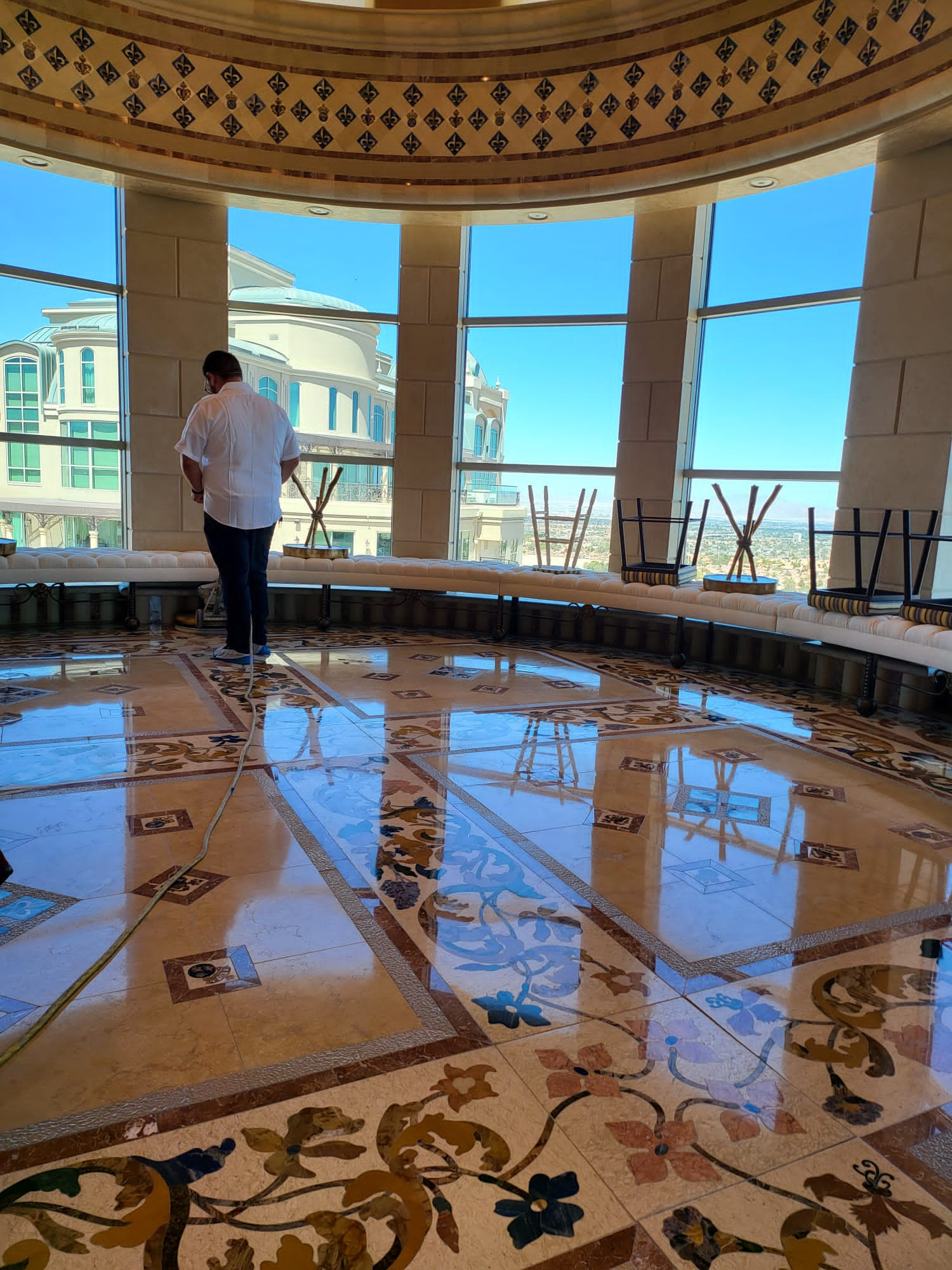
**FEATURED JOB 2- Travertine Floor Restoration at a Residential Penthouse in Queensridge, Las Vegas NV**